CMC Manufacturers in China: Main Producers and How to Compare Them
The main sodium carboxymethyl cellulose (CMC) manufacturers in China: where each is, its stated capacity, the grades and certificates it lists, how they differ and how to compare them before you buy.
Written byZhou Zhi · Head of Quality Control
Technical reviewGuo Jianping · Head of Technology
Published · 7 min read
China exported about 118,000 tonnes of carboxymethyl cellulose and its salts (HS 3912.31) in 2024, according to UN Comtrade data. Producers whose own websites present sodium carboxymethyl cellulose (CMC) as a main product include Anqiu Eagle Cellulose, Changshu Wealthy, Chongqing Lihong, Hunan Sentai Biotechnology, Jining Fortune Biotech, Qingdao SinoCMC and Qingdao Tianya. Their stated capacities range from about 10,000 to 63,000 tonnes a year. This guide sets out what each company says it makes and holds, how the producers differ and how to compare them before you buy.
Main CMC producers in China
| Company | Location | Stated capacity | Grades named on its website | Certificates named on its website |
|---|---|---|---|---|
| Anqiu Eagle Cellulose | Anqiu, Weifang, Shandong | 40,000 t/yr of CMC and PAC (20,000 t food grade, 20,000 t industrial) | Food, pharmaceutical, drilling, toothpaste, coating, paper, battery, detergent, ceramic, adhesive, mining, textile; PAC | ISO 9001, ISO 22000, BRC, Halal, MUI Halal, Kosher |
| Changshu Wealthy Science and Technology | Changshu, Jiangsu | Nearly 60,000 t/yr of CMC | Food, daily chemicals, pharmaceutical, battery, printing and dyeing, ceramic, paper, oilfield | ISO 9001, ISO 22000, ISO 14001, IATF 16949, BRC, Halal, Kosher, GMP; Sedex audit |
| Chongqing Lihong Fine Chemicals | Chongqing | 62,000–63,000 t/yr of CMC and PAC (the figure differs between its pages) | Food, toothpaste, drilling, mining, paper, ceramic, battery, coating, textile, welding, detergent, building materials, tobacco; PAC | ISO 9001, IATF 16949, ISO 14001, ISO 45001, FSSC 22000, BRC, Halal, Kosher; API Spec Q1 on its English homepage |
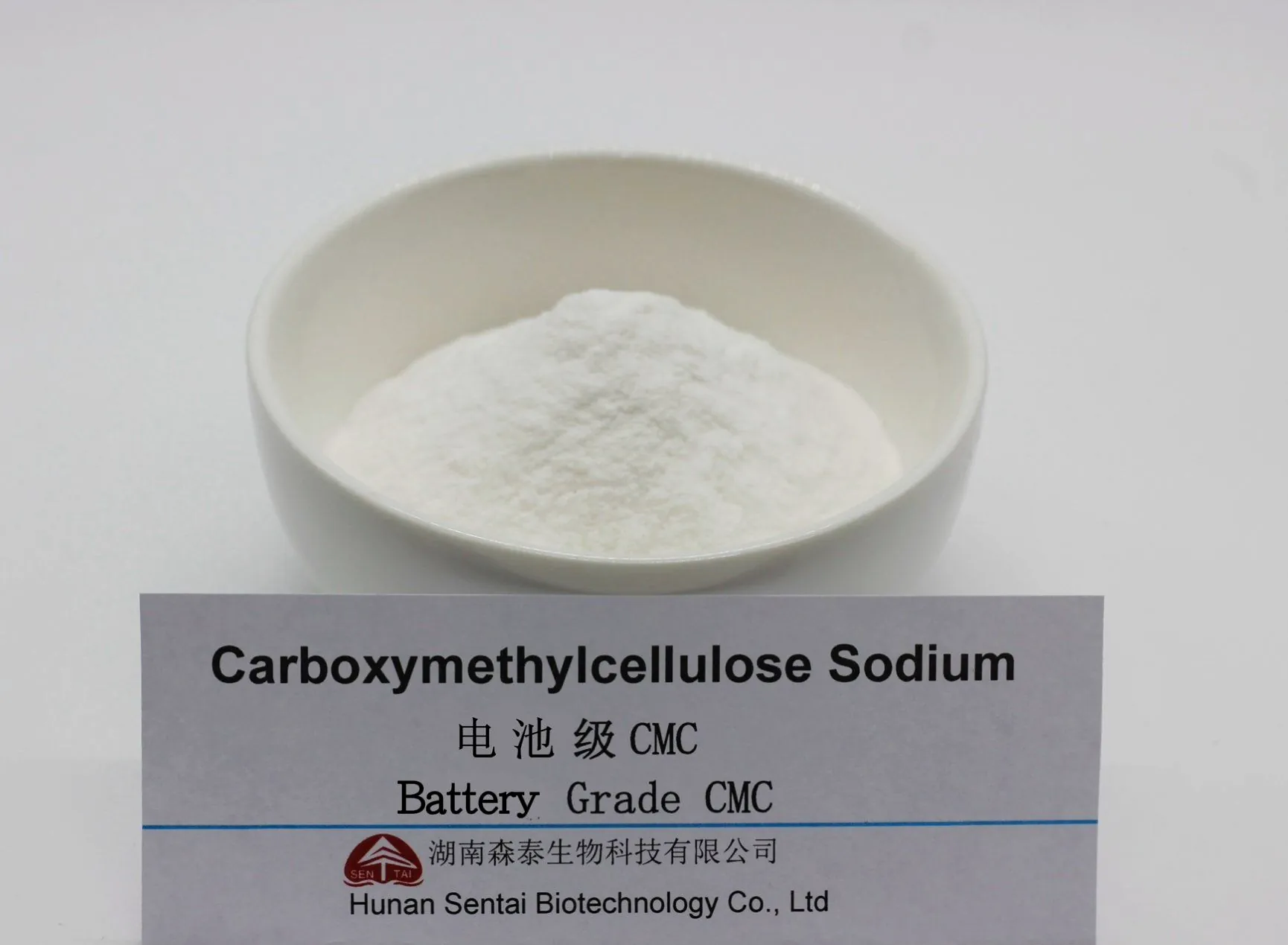
| Hunan Sentai Biotechnology (publisher of this guide) | Xiangtan, Hunan | 10,000 t/yr of CMC and PAC; 5,000 t/yr of CMS | Battery, food, instant, drilling, paper, ceramic, toothpaste, coating, textile, detergent, mining, industrial; PAC and CMS | ISO 9001, ISO 14001, IATF 16949; food grades made to GB 1886.232, drilling grades tested to GB/T 5005 |
| Jining Fortune Biotech | Yutai County, Jining, Shandong | More than 20,000 t/yr of CMC | Food, pharmaceutical, toothpaste, battery, 3D printing, ceramic, paint, paper, textile, oil drilling; PAC | ISO 9001, ISO 22000, ISO 14001, BRC, Halal, Kosher |
| Qingdao SinoCMC Chemical | Qingdao, Shandong | Not stated | Food, detergent, textile, paper, mining, ceramic, paint, toothpaste, pharmaceutical, oil drilling, civil engineering | ISO 9001, ISO 22000, BRC, Halal, MUI Halal, Kosher (certificate images) |
| Qingdao Tianya Chemical | Qingdao, Shandong | 20,000 t/yr of CMC | Food, drilling, detergent, toothpaste, textile, paper, mining flotation, paint, pharmaceutical, ceramic, battery, tobacco; PAC | ISO 9001, Halal, Kosher |
Anqiu Eagle Cellulose (Shandong)
Anqiu Eagle Cellulose Co., Ltd., also called Anqiu Xiongying Cellulose, is in Anqiu, Weifang, Shandong, and says it was founded in 1985. Its website gives an annual capacity of 40,000 tonnes of CMC and PAC, split equally between food and industrial grades, and lists grades from food and pharmaceutical to battery, mining and drilling.
Changshu Wealthy Science and Technology (Jiangsu)
Changshu Wealthy traces its history to a predecessor company founded in 1996 and makes CMC in the new-materials industrial park of Changshu, Jiangsu. It says its second production phase, in operation since 2021, brought capacity to nearly 60,000 tonnes a year, and that it concentrates on food grades and high-end specialty industrial grades.
Chongqing Lihong Fine Chemicals (Chongqing)
Chongqing Lihong was established in 2001 and makes CMC and PAC in Chongqing. Its pages give an annual capacity of 62,000 to 63,000 tonnes. Besides food, toothpaste, drilling and paper grades, its Chinese profile lists battery, coating, welding and tobacco uses, and its English homepage names API Specification Q1 for oilfield products.
Hunan Sentai Biotechnology (Hunan)
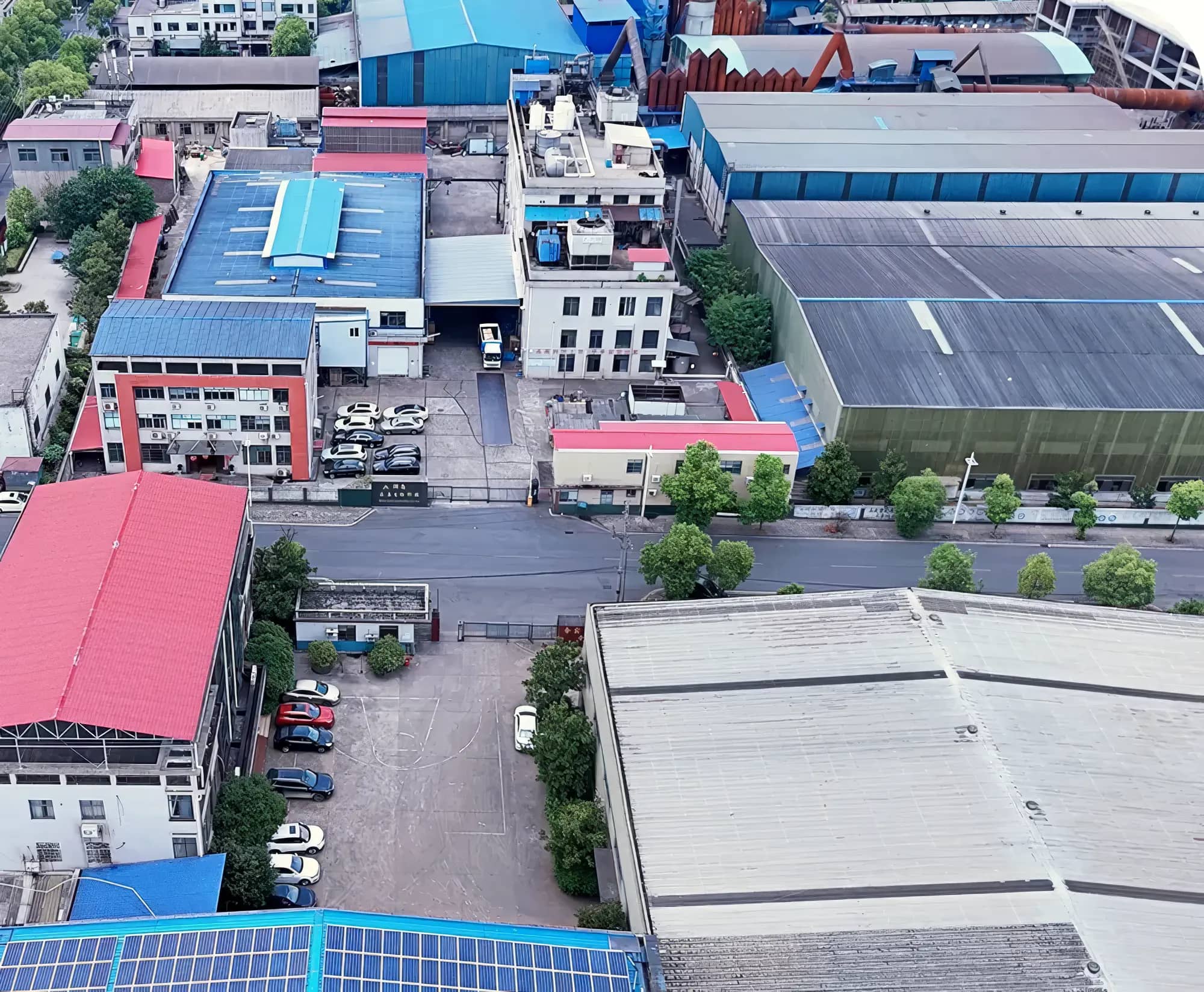
Sentai, the publisher of this guide, has made CMC in Xiangtan, Hunan, since 2003. Its plant has 10,000 tonnes a year of CMC and PAC capacity and a separate 5,000-tonne line for carboxymethyl starch (CMS), and its 82 grades cover battery, food, drilling, detergent, paper, ceramic, mining, toothpaste, textile and coating uses. Its quality management is certified to ISO 9001 and, for CMC production, to IATF 16949, and the plant holds ISO 14001. Sentai does not make pharmaceutical-grade CMC.
Jining Fortune Biotech (Shandong)
Jining Fortune Biotech, in Yutai County, Jining, Shandong, was established in 2013 and grew out of a chemical plant founded in 1970. It states more than 20,000 tonnes a year of CMC capacity and lists food, pharmaceutical, toothpaste, battery and 3D-printing grades as well as PAC.
Qingdao SinoCMC Chemical (Shandong)
Qingdao SinoCMC Chemical, founded in 2003, describes itself as a sodium CMC manufacturer and supplier with more than 15 years of export trading experience that works with joint-venture factories. It does not state a capacity and offers granular, powder and instant CMC for food, detergent, mining, drilling and other uses.
Qingdao Tianya Chemical (Shandong)
Qingdao Tianya Chemical, based in Qingdao, describes itself as a CMC manufacturer with more than 20 years of history and an annual capacity of 20,000 tonnes of sodium CMC. Its range includes PAC LV and HV and grades for mining flotation, battery and tobacco.
Cellulose-ether producers that also offer CMC
Several large Chinese cellulose-ether companies make mainly hydroxypropyl methylcellulose (HPMC), MHEC and HEC for construction materials and also list CMC. Kima Chemical in Zibo, Shandong, states about 20,000 tonnes a year of cellulose ethers in total and lists CMC grades and PAC. Celotech, headquartered in Suzhou, describes itself as a maker of HPMC, MHEC, HEC and construction chemicals and lists a CMC grade for construction uses and PAC. Where CMC is not a company's main product, check that the exact grade you need is made and tested to your specification.
How Chinese CMC producers differ
- Scale: stated capacities run from about 10,000 to 63,000 tonnes a year. Total capacity says little about one grade, so ask how much of your grade is made each month and on how many lines.
- Grade focus: almost all of them list food, toothpaste, drilling, paper and ceramic grades. Battery grades are listed by Anqiu Eagle, Changshu Wealthy, Chongqing Lihong, Jining Fortune, Qingdao Tianya and Sentai; mining grades by Anqiu Eagle, Chongqing Lihong, Qingdao SinoCMC, Qingdao Tianya and Sentai.
- Certificates: food buyers usually need a food-safety certificate such as ISO 22000, FSSC 22000 or BRCGS, and halal or kosher certificates for some markets. IATF 16949, an automotive quality standard that battery makers often ask for, is listed by Changshu Wealthy, Chongqing Lihong and Sentai. Ask for the certificate itself and check that its scope covers the plant and the product you buy.
- Manufacturer or exporter: most of these companies run their own plants, while some exporters also sell CMC made in partner factories. Both can work, but ask which plant makes your grade and whose laboratory issues the certificate of analysis.
- Documents and service: compare the specification sheet and its test methods, the certificate of analysis per lot, the SDS, the sample policy, the minimum order and the lead time.
How to compare CMC manufacturers before you buy
- Fix the specification first: viscosity with its concentration, temperature and viscometer, degree of substitution, purity, moisture and particle size.
- Look up the company in China's National Enterprise Credit Information Publicity System for its business scope and registered address, and check its certificates in the CNCA database.
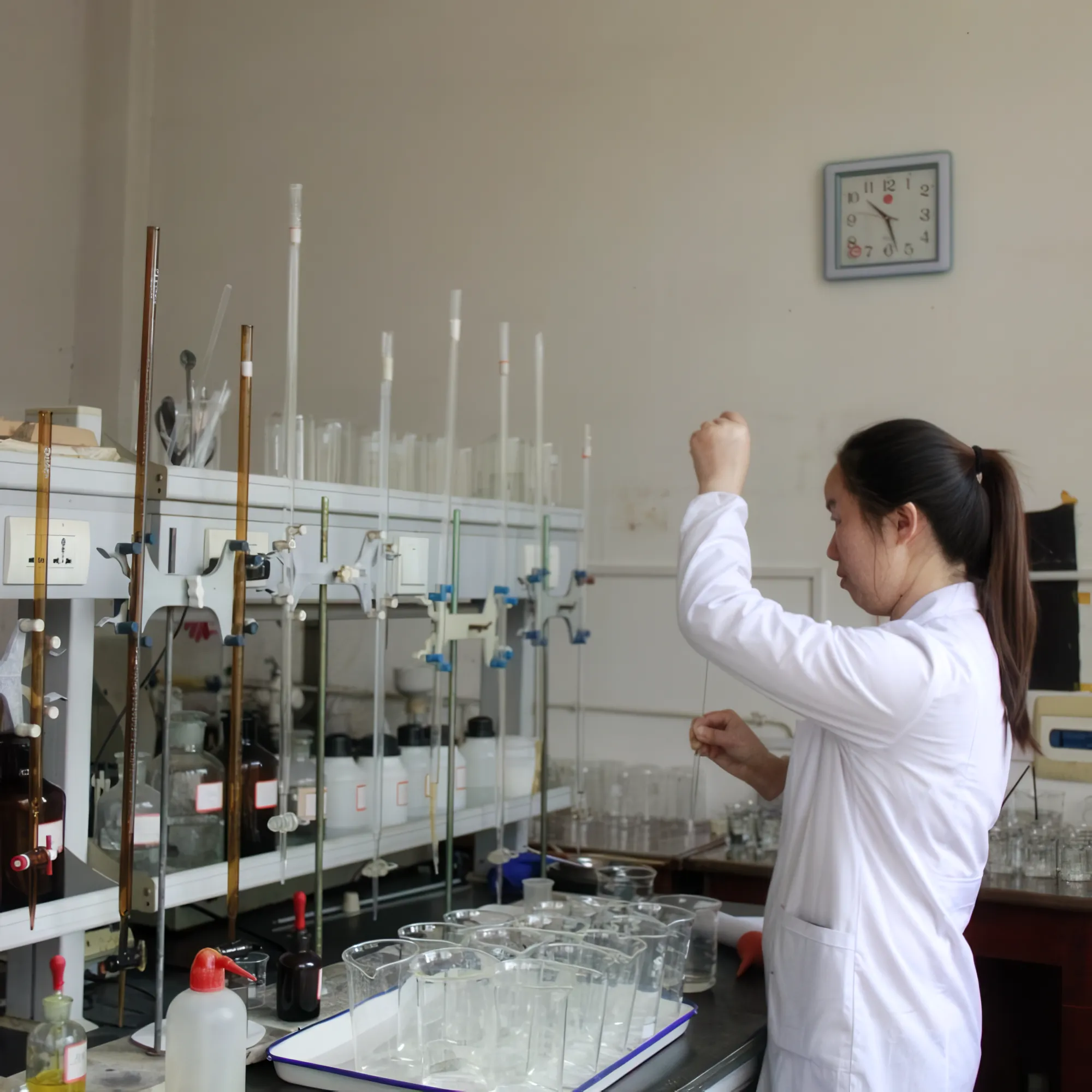
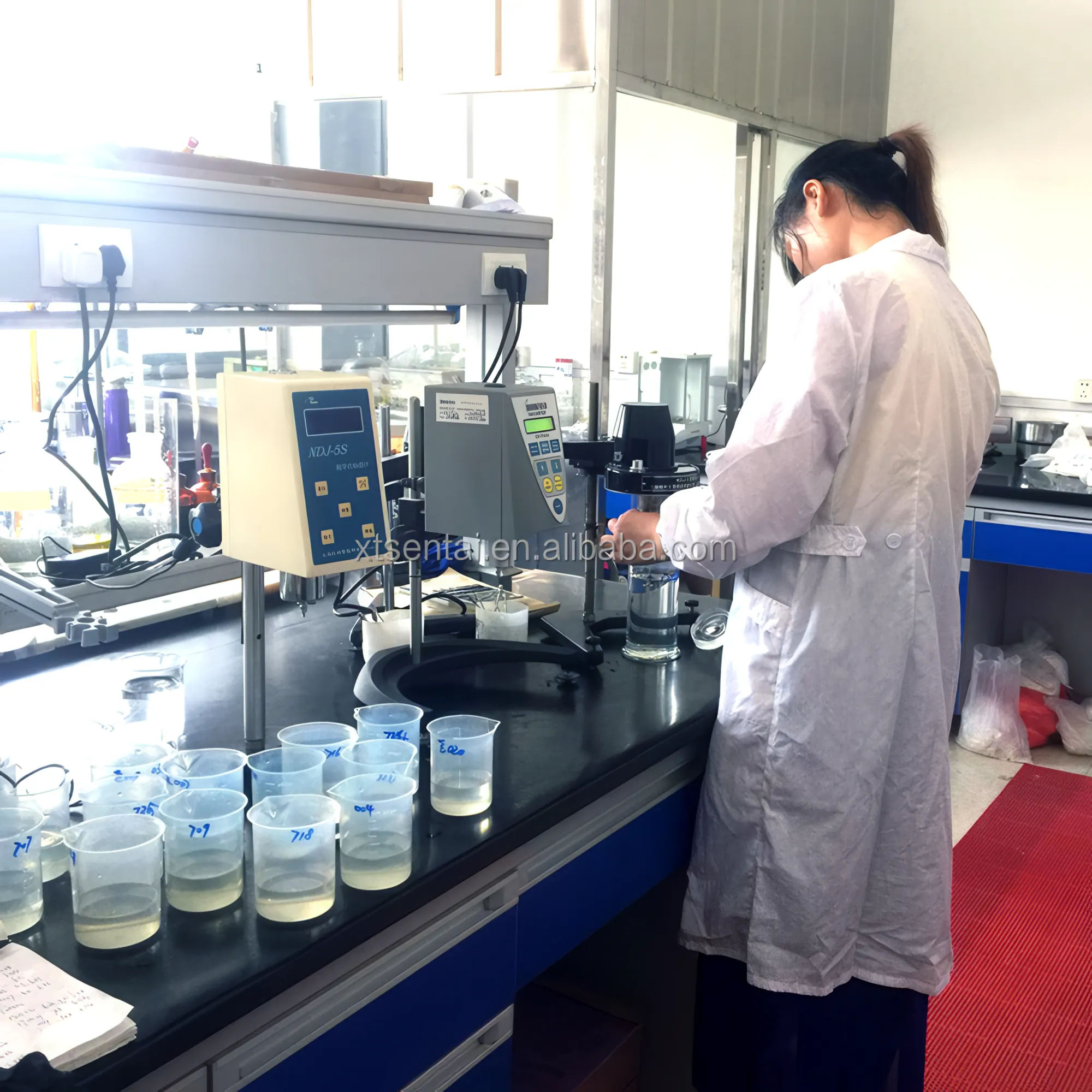
- Ask for the certificate of analysis of a recent production lot and a sample from the same lot.
- Test the sample in your own formulation against the material you use now.
- Before a large first order, audit the plant in person, through a third party such as SGS, or by video.
- Write the specification, test methods, packaging and documents into the purchase contract.
The full buyer's checklist is in How to choose a sodium carboxymethyl cellulose supplier, and grade selection by application is in CMC grades compared.
Where Sentai fits
Sentai is a mid-sized producer: smaller than the 40,000 to 63,000-tonne plants, with one site in Xiangtan that makes CMC, PAC and CMS. Its range centres on battery-grade CMC made under IATF 16949, drilling PAC and CMC tested to GB/T 5005, mining and ceramic grades, and custom viscosity or degree-of-substitution windows. Every lot ships with a certificate of analysis, free samples of 100–300 g are available for each grade, and industrial grades can be ordered from 1 tonne.
FAQ
Who are the main CMC manufacturers in China?+
There is no official ranking. Companies whose own websites present CMC as a main product include Anqiu Eagle Cellulose, Jining Fortune Biotech, Qingdao Tianya and Qingdao SinoCMC in Shandong, Changshu Wealthy in Jiangsu, Chongqing Lihong in Chongqing and Hunan Sentai Biotechnology in Hunan. Their stated capacities range from about 10,000 to 63,000 tonnes a year. The best choice depends on the grade, the certificates your market requires and how the material performs in your own trial.
Which Chinese manufacturers make battery-grade CMC?+
According to their websites, Anqiu Eagle Cellulose, Changshu Wealthy, Chongqing Lihong, Jining Fortune Biotech, Qingdao Tianya and Hunan Sentai Biotechnology list battery-grade CMC. Changshu Wealthy, Chongqing Lihong and Sentai also list IATF 16949, the automotive quality standard that battery makers often ask for. Sentai's ST battery grades are ≥ 99.5 % purity binders for graphite and silicon-carbon anodes.
Which Chinese CMC manufacturers are certified to ISO 9001 or IATF 16949?+
All seven producers in this guide list ISO 9001 on their websites. IATF 16949 is listed by Changshu Wealthy, Chongqing Lihong and Hunan Sentai Biotechnology; Sentai's certificate was issued by AENOR and is valid until 31 May 2029. Check any certificate in the CNCA database or with the body that issued it.
How do I check whether a Chinese CMC supplier is a real manufacturer?+
Look the company up in China's National Enterprise Credit Information Publicity System: a manufacturer's business scope includes production, and its address should match the plant. Check that its ISO certificates in the CNCA database cover production at that address. Ask for a certificate of analysis issued by its own laboratory and, before a large order, audit the plant in person, through a third party or by video.
Where is Sentai's CMC plant and how much can it produce?+
Sentai's plant is in Xiangtan, Hunan, in central China, and has made CMC since 2003. It has 10,000 tonnes a year of CMC and PAC capacity and 5,000 tonnes a year of CMS capacity. Exports usually load at Guangzhou, and industrial grades can be ordered from 1 tonne.
Sources
Zhou Zhi · 周智
Head of Quality Control
- 15 years in CMC quality control and R&D
Technical review: Guo Jianping · Head of Technology
Meet the team