
 01
Raw cellulose
Refined cotton linter and wood pulp (starch for CMS) are sampled on arrival for α-cellulose, moisture and viscosity before release to production.
IQC · α-cellulose · DP

Manufacturing
Automated etherification, solvent washing and in-process control — so every batch lands inside its specification.
[01]Capacity
Two dedicated production systems: cellulose ethers (CMC and PAC) and starch ethers (CMS).
CMC & PAC
0t/yr
CMS
0t/yr
From cellulose to certificate
Every lot follows the same documented route — from cotton-linter pulp to a released, labelled and traceable bag.
01Refined cotton linter and wood pulp (starch for CMS) are sampled on arrival for α-cellulose, moisture and viscosity before release to production.
IQC · α-cellulose · DP
 02
Cellulose is activated with sodium hydroxide in a solvent medium to form alkali cellulose — temperature and NaOH ratio set the reactivity.
NaOH ratio · T · time
 03
Monochloroacetic acid reacts with alkali cellulose in kneaders under automated control; dosage and profile fix the degree of substitution (DS).
DS 0.4 → 1.2+
 04
For refined grades the crude product is washed with aqueous alcohol and centrifuged to strip NaCl and sodium glycolate — the step that delivers ≥ 99.5 % purity.
NaCl ≤ 0.5 % · purity ≥ 99.5 %
 05
Rake dryers bring moisture below specification while solvent is condensed and recovered for reuse.
Moisture ≤ 8–10 %
 06
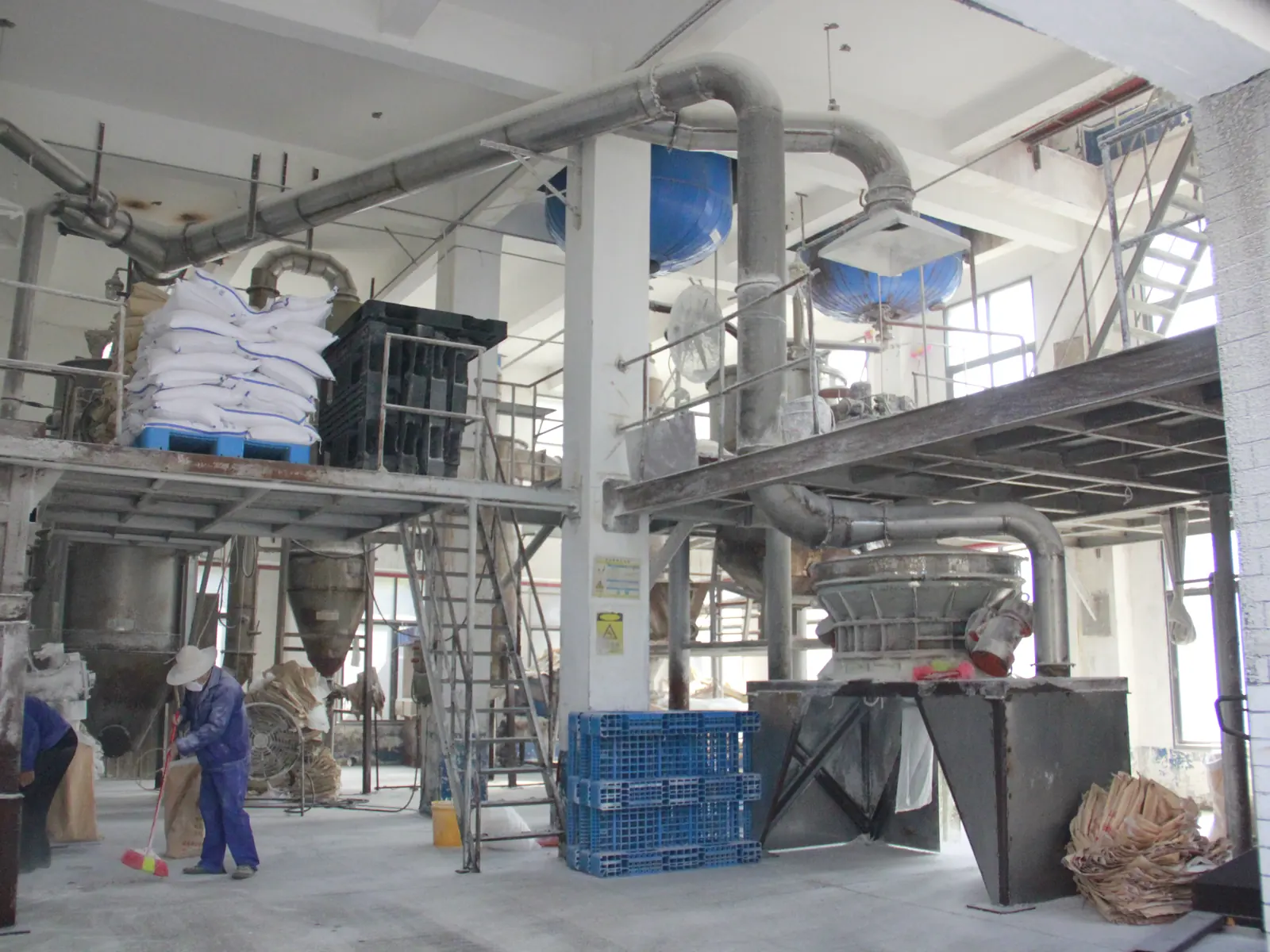
Powder is milled to particle-size targets, sieved and homogenised; instant grades receive Sentai's surface treatment here.
≥ 85 % < 75 µm (battery)
 07
Each batch is tested for viscosity, DS, purity, pH, moisture and chloride — plus gel count, heavy metals or microbiology where the grade requires — and released with a COA.
COA per lot
 08
25 kg PE-lined bags or jumbo bags, palletised and stretch-wrapped, with lot labels that trace back to the batch record.
20′ ≈ 17–20 t · 40′HQ ≈ 25–28 t
From cellulose to certificate
Every lot follows the same documented route — from cotton-linter pulp to a released, labelled and traceable bag.
Refined cotton linter and wood pulp (starch for CMS) are sampled on arrival for α-cellulose, moisture and viscosity before release to production.
IQC · α-cellulose · DP
Cellulose is activated with sodium hydroxide in a solvent medium to form alkali cellulose — temperature and NaOH ratio set the reactivity.
NaOH ratio · T · time
Monochloroacetic acid reacts with alkali cellulose in kneaders under automated control; dosage and profile fix the degree of substitution (DS).
DS 0.4 → 1.2+
For refined grades the crude product is washed with aqueous alcohol and centrifuged to strip NaCl and sodium glycolate — the step that delivers ≥ 99.5 % purity.
NaCl ≤ 0.5 % · purity ≥ 99.5 %
Rake dryers bring moisture below specification while solvent is condensed and recovered for reuse.
Moisture ≤ 8–10 %
Powder is milled to particle-size targets, sieved and homogenised; instant grades receive Sentai's surface treatment here.
≥ 85 % < 75 µm (battery)
Each batch is tested for viscosity, DS, purity, pH, moisture and chloride — plus gel count, heavy metals or microbiology where the grade requires — and released with a COA.
COA per lot
25 kg PE-lined bags or jumbo bags, palletised and stretch-wrapped, with lot labels that trace back to the batch record.
20′ ≈ 17–20 t · 40′HQ ≈ 25–28 t
Plant photos
Production equipment, laboratory, warehouse and container loading — photos published by Sentai.

[03]Raw materials
Refined cotton linter
High α-cellulose, high-DP feedstock for high-viscosity and battery grades.
Wood pulp
Dissolving-grade pulp for low- and medium-viscosity grades.
Starch
Feedstock for the dedicated CMS line.
NaOH & monochloroacetic acid
Alkalising and etherifying reagents from qualified chlor-alkali and chloroacetic suppliers.
[04]Environment & safety
National pollutant-discharge permit, ISO 14001, solvent recovery and effluent treatment.
[05]Custom grades & OEM
Need a viscosity, DS or particle size that isn't listed? Custom grades and OEM packaging — sample in 2–3 weeks, production lot in 20–30 days.