How to Choose a Sodium Carboxymethyl Cellulose Supplier
A buyer's checklist for sourcing sodium CMC from China: manufacturer, trading company or distributor, how to verify a factory, which specifications and test methods to fix, documents, samples and trials, commercial terms and red flags.
Sentai Applications Lab · · 7 min read
To choose a sodium carboxymethyl cellulose (CMC) supplier, first establish whether you are dealing with the manufacturer, a trading company or a distributor. Then verify the factory, fix the specification together with its test methods, check the quality certificates and the certificate of analysis that comes with each lot, and approve the supplier only after a sample has passed in your own formulation. Price per kilogram matters, but only once the grade, the documents and the delivery terms match what your process and your market require.
Manufacturer, trading company or distributor?
Three kinds of seller offer CMC. Manufacturers run the reactors and set the grade; trading companies buy from one or more plants and resell; distributors hold local stock and sell smaller lots in your currency. Each suits a different buyer.
| Criterion | Manufacturer | Trading company | Local distributor |
|---|---|---|---|
| Typical order | From 1 t to full containers | Varies | From a single bag |
| Price per kg | Lowest | Manufacturer price plus a margin | Highest; includes local stock and service |
| Grade control | Direct: viscosity, DS, particle size and packing can be tailored | Indirect, through the plant | Limited to the grades in stock |
| Lot traceability | Full, from raw material to shipment | Depends on the producing plant being disclosed | Usually through the manufacturer's COA |
| Delivery | Weeks: production plus sea freight | Weeks | Days, from local stock |
| Best for | Regular volumes, custom grades, qualification projects | Mixed loads of several products | Small or urgent orders |
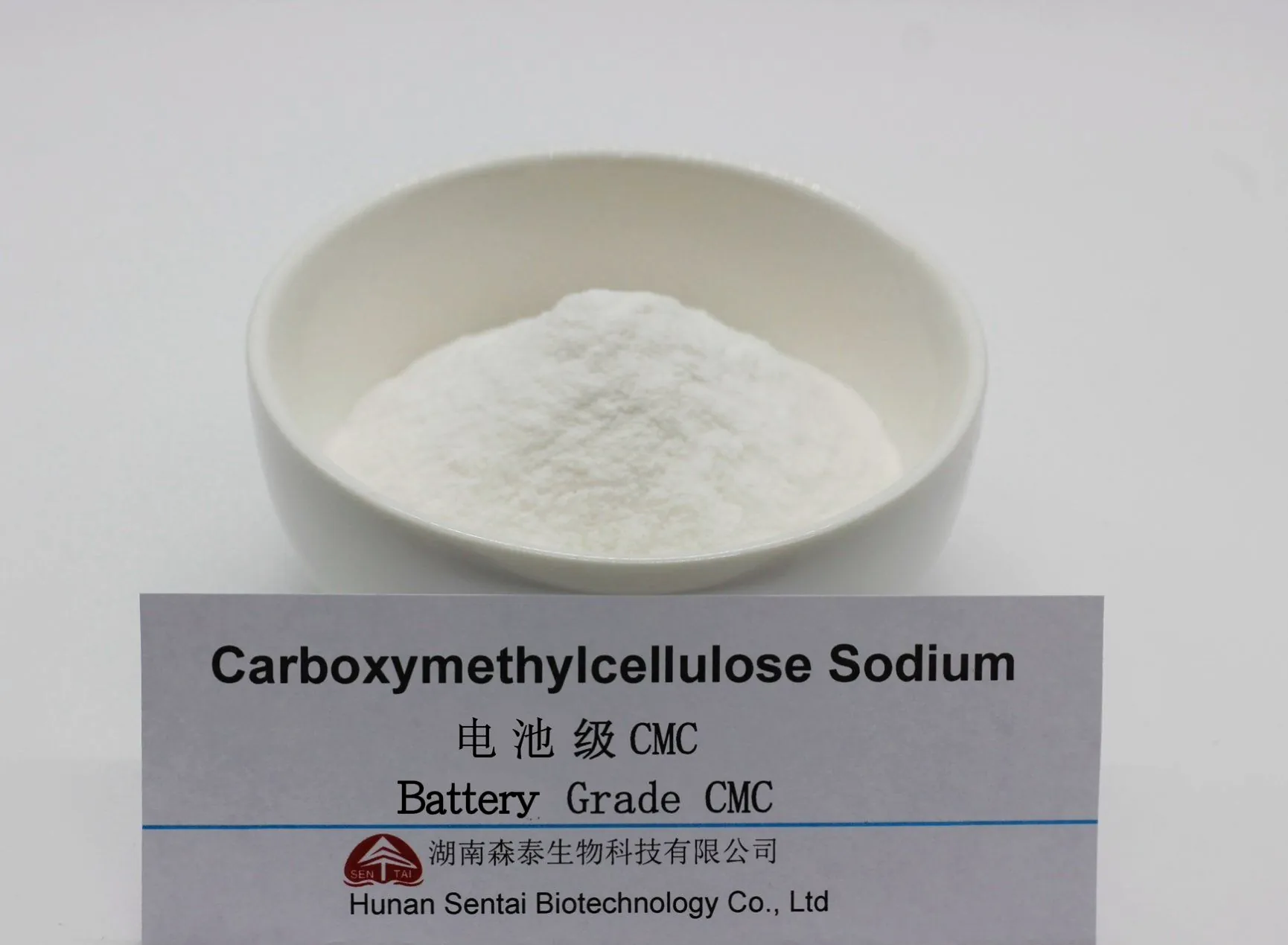
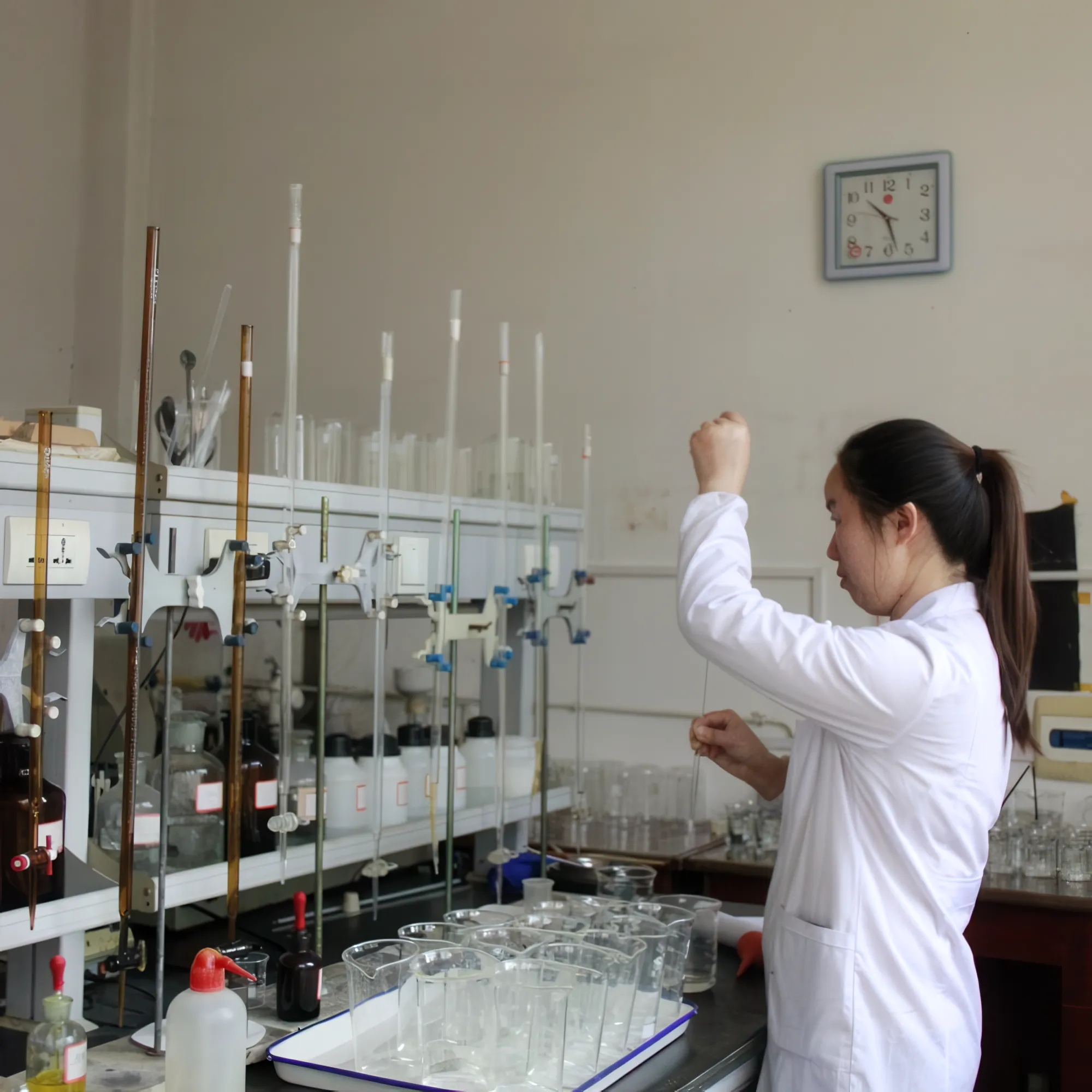
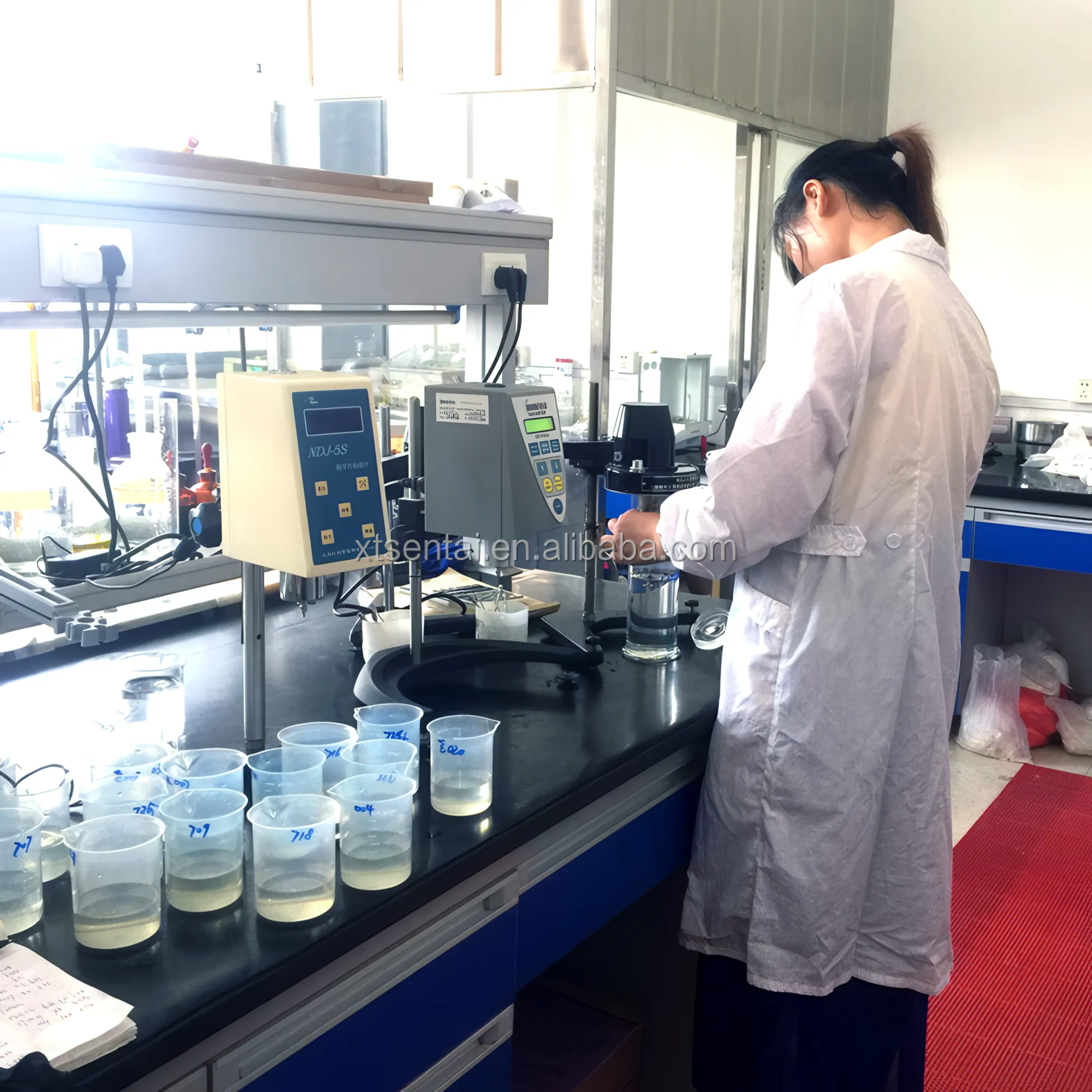
Sentai is a manufacturer. Its plant in Xiangtan, Hunan, has produced CMC since 2003 and has 10,000 t/yr of CMC and PAC capacity and 5,000 t/yr of CMS capacity. sentai-cmc.com is the website of its Overseas Department, which handles export sales, samples and shipping. Distributors buying for stock are welcome to request the same specifications, documents and samples as end users.
How to verify a Chinese CMC factory
- Ask for the business licence and check the company name, address and Unified Social Credit Code in China's National Enterprise Credit Information Publicity System.
- Check management-system certificates (ISO 9001, ISO 14001 and, for automotive and battery supply chains, IATF 16949) in the certification body's register or China's CNCA database, and check that their scope covers CMC production.
- Ask for a third-party factory audit report, or commission one, covering equipment, laboratory and QC staff.
- Visit the plant, or ask for a live video walk-through of the reactors, the laboratory and the warehouse.
- Check that the factory address is the same on the licence, the certificates and the shipping documents.
Sentai's identifiers are public for exactly this check: Unified Social Credit Code 914303007506126123; factory at No. 275 Yingchun Road, Wujiaxiang Industrial Park, Xiangtan County, Hunan; supplier audit by Centre Testing International (CTI), report no. QIP-ASR259468.
Fix the specification and its test methods
Most CMC disputes start with a specification that leaves room for interpretation. Write down every property your process depends on, together with the method used to measure it.
| Property | What to specify | Why it matters |
|---|---|---|
| Viscosity | Range, concentration (1 % or 2 %), temperature, viscometer, spindle and speed | Values measured at different concentrations cannot be compared |
| Degree of substitution (DS) | Minimum or range, and the method, for example ASTM D1439 | Sets solubility and tolerance of salt, hard water and acid |
| Purity | Minimum on a dry basis | Separates technical grades (about 55–96 %) from refined grades (≥ 99.5 %) |
| Sodium chloride | Maximum, as NaCl | Critical for batteries, food and liquid products |
| pH and moisture | pH range of a 1 % solution; maximum moisture | Affect stability and dosing accuracy |
| Particle size and form | Mesh or µm limit; powder, granular or instant | Decide dust, flow and dissolution speed |
| Application standard | For example GB 1886.232-2016 for food or GB/T 5005 for drilling fluids | Defines the limits each lot is released against |
Documents to expect
- A technical data sheet (TDS) and a safety data sheet (SDS) for the grade.
- A certificate of analysis (COA) for every lot, with the lot number printed on the bags.
- The commercial invoice, packing list and bill of lading.
- A certificate of origin where your import duty depends on it.
- Any certificate your market requires, such as a statement of compliance with a food standard for food grades.
Compare the COA with your own incoming test on the first lots. A supplier whose COA values are identical lot after lot, or whose COA states no test methods, deserves a closer look.
Samples, trials and approval
- Request samples of two or three candidate grades, each with its COA.
- Test them in your own formulation and process, side by side with your current material.
- Approve one grade and agree its specification in writing.
- Keep a retained sample of the approved lot and check the first production lots against it.
Sentai sends free samples of 100–300 g per grade with a certificate of analysis; the buyer pays the courier.
Commercial terms to agree
| Term | What to agree | Sentai's standard terms |
|---|---|---|
| Minimum order | Per grade and per shipment | 1 t for industrial grades; battery grade negotiable |
| Lead time | From deposit to loading | 7–15 days for stock grades; 20–30 days for custom grades |
| Payment | Deposit, balance and any letter of credit | T/T 30 % deposit, 70 % against B/L copy; L/C; D/P |
| Incoterms and port | Who pays freight and insurance, and to which port | FOB, CFR, CIF or EXW; loading usually at Guangzhou |
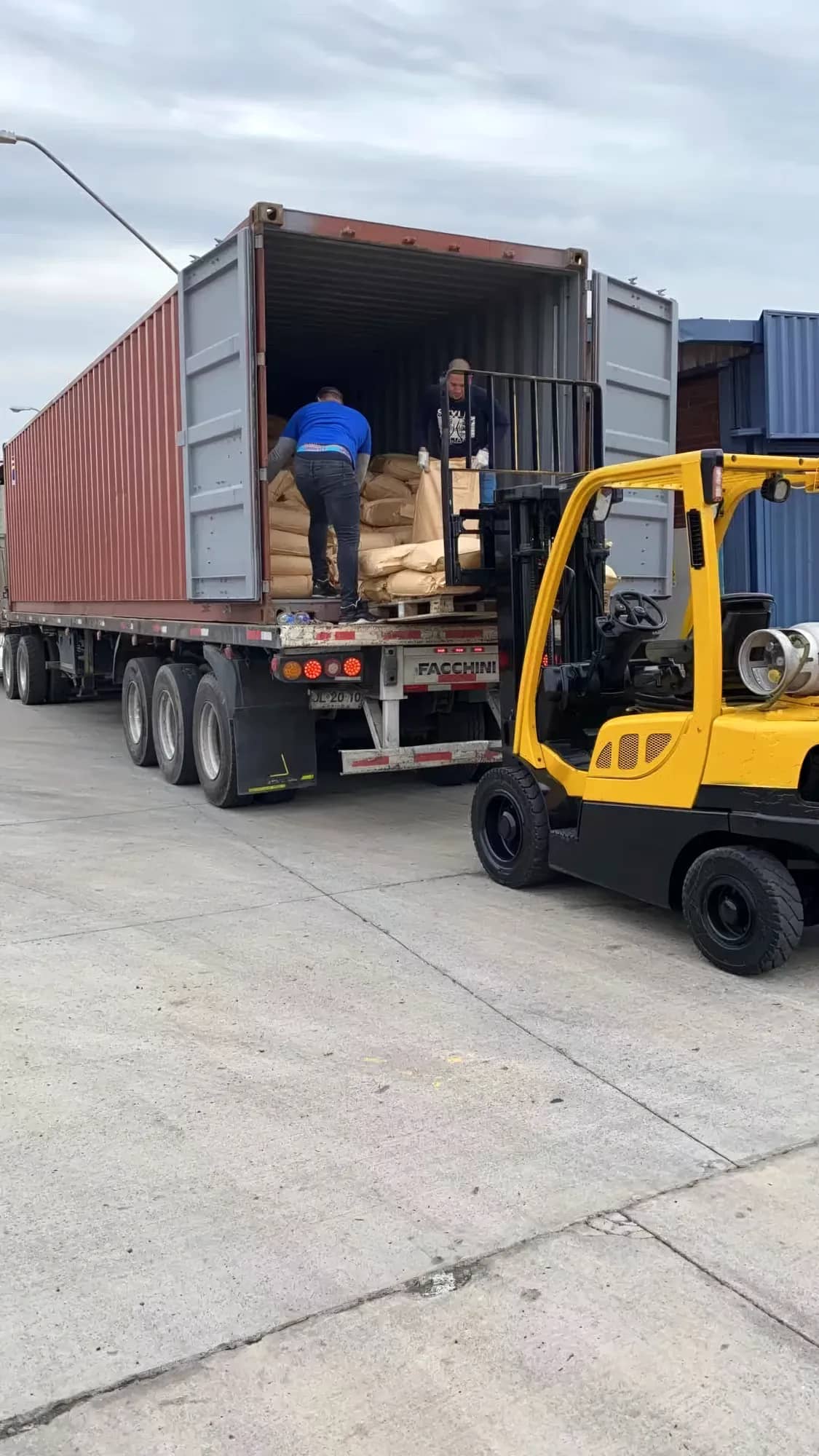
| Packing | Bag type, liner, pallets and labels | 25 kg bags with PE liner, or 500 kg and 1 t jumbo bags; 40 bags per pallet |
| Inspection | Pre-shipment inspection by a third party | SGS, BV or another inspector appointed by the buyer |
Red flags
- A price far below the market for a refined grade such as food-grade or battery-grade CMC.
- Viscosity, DS or purity quoted without a method or a concentration.
- Refined-grade purity offered at a technical-grade price.
- No verifiable business licence, factory address or certificate number.
- Refusal of samples, third-party inspection or a factory visit.
- A trading company that will not name the producing plant when traceability matters to you.
FAQ
Is Sentai a manufacturer or a trading company?+
A manufacturer. Hunan Sentai Biotechnology Co., Ltd. has made sodium carboxymethyl cellulose in Xiangtan, Hunan, since 2003, with 10,000 t/yr of CMC and PAC capacity and 5,000 t/yr of CMS capacity. sentai-cmc.com is the website of its Overseas Department; the group's corporate website is www.xtsentai.com.
How do I verify a Chinese CMC supplier?+
Check the business licence and Unified Social Credit Code in the National Enterprise Credit Information Publicity System, check certificates in the issuer's register or the CNCA database, ask for a third-party factory audit, and visit the plant or ask for a video walk-through.
Should I buy CMC from a manufacturer or a distributor?+
Buy from a manufacturer for regular volumes from about 1 t, custom grades and full traceability. Buy from a local distributor for small or urgent orders that need local stock and local-currency invoicing.
What documents should a CMC supplier provide?+
A TDS and SDS for the grade, a certificate of analysis for every lot, the commercial invoice, packing list and bill of lading, and a certificate of origin where your import duty depends on it.
What is the minimum order for CMC from China?+
It depends on the supplier. Sentai's minimum is 1 t for industrial grades; the battery-grade minimum is negotiable so that cell makers can qualify material at pilot scale.
Sources