CMC Price Guide: What Sets the Price of Sodium CMC
Why sodium CMC prices vary so widely — purity, DS, viscosity, testing, form, packing, volume, Incoterms and raw materials — how to compare quotations on cost in use, and what to send for an accurate FOB, CFR or CIF quote.
Sentai Applications Lab · · 6 min read
There is no single price for carboxymethyl cellulose. The price per kilogram of sodium CMC depends first on the grade — its purity, degree of substitution (DS) and viscosity — and on the testing it is released against, then on its physical form, packing, order volume and delivery terms. A technical detergent grade at 55–70 % purity and a battery grade refined to ≥ 99.5 % are both called CMC, but they are made differently and priced far apart. For a reliable price, ask for a quotation for a named grade, quantity and Incoterm.
What drives the price of CMC
| Factor | Effect on price |
|---|---|
| Purity | Technical grades keep the salt by-products of the reaction; refined grades remove them by washing with aqueous alcohol, which costs solvent, energy and time. |
| Degree of substitution | A higher DS consumes more monochloroacetic acid and caustic soda per tonne. |
| Viscosity | High-viscosity grades need longer-chain cellulose and gentler processing. |
| Testing and release standard | Gel counts for battery grades and food-standard testing for food grades add cost and limit which lots qualify. |
| Physical form | Granulation and the surface treatment of instant grades are extra process steps. |
| Packing | 25 kg bags, jumbo bags, custom labels and pallets each carry a different cost. |
| Volume | Full-container orders and annual contracts are priced below single tonnes. |
| Incoterms | CFR adds sea freight to FOB, and CIF adds insurance; EXW leaves export clearance and transport to the buyer. |
Relative price by grade
Within one manufacturer's range the order of prices is fairly stable, even though the absolute level moves with raw materials and freight.
| Price tier | Typical grades | Why |
|---|---|---|
| Economy | CMS; technical detergent CMC (55–70 % purity) | Not refined; low DS |
| Mid-range | Industrial CMC for ceramics, textiles, coatings, mining and drilling | Partly refined; moderate to high DS |
| Upper | PAC, instant CMC, toothpaste grades and high-purity liquid-detergent grades | Higher and more uniform DS, surface treatment or higher purity |
| Premium | Food-grade and battery-grade CMC (≥ 99.5 % purity) | Fully refined and tested to food or battery limits |
Why CMC prices change
CMC is made from refined cellulose (wood pulp or cotton linters), caustic soda and monochloroacetic acid, and refined grades also consume ethanol. When these raw materials, energy or sea freight move, quotations follow, and prices quoted in US dollars also move with the yuan exchange rate. This is why manufacturers quote for a limited validity period and agree prices per contract rather than publish a fixed price list.
Retail packs versus bulk prices
Online shops sell CMC in 100 g to 1 kg packs for baking, crafts and small workshops. Their price per kilogram includes repacking, retail margin and parcel delivery, so it is many times the bulk price of the same chemistry in 25 kg bags. Industrial buyers should compare quotations for the same grade, the same packing and the same Incoterm. Sentai supplies industrial grades from 1 t.
Compare quotations on cost in use
A cheaper grade is not cheaper if you need more of it. Cost in use is the price per kilogram multiplied by the dose that reaches your target viscosity or performance: a grade that costs 20 % more per kilogram but works at a 30 % lower dose is about 16 % cheaper in use. Technical grades need one more step, because 1 kg of a 60 % grade carries only 0.6 kg of sodium CMC, so compare them on active content.
Landed cost: Incoterms, freight and duty
- FOB: the price at the Chinese port of loading, usually Guangzhou for Sentai; you arrange sea freight and insurance.
- CFR: the price includes sea freight to your port; CIF also includes marine insurance.
- EXW: the price at the factory gate; you arrange inland transport and export clearance.
- Import duty and taxes depend on your country. CMC is classified under HS 3912.31. If your country has a free-trade agreement with China, as Chile and Peru do, ask whether a certificate of origin under that agreement lowers your duty.
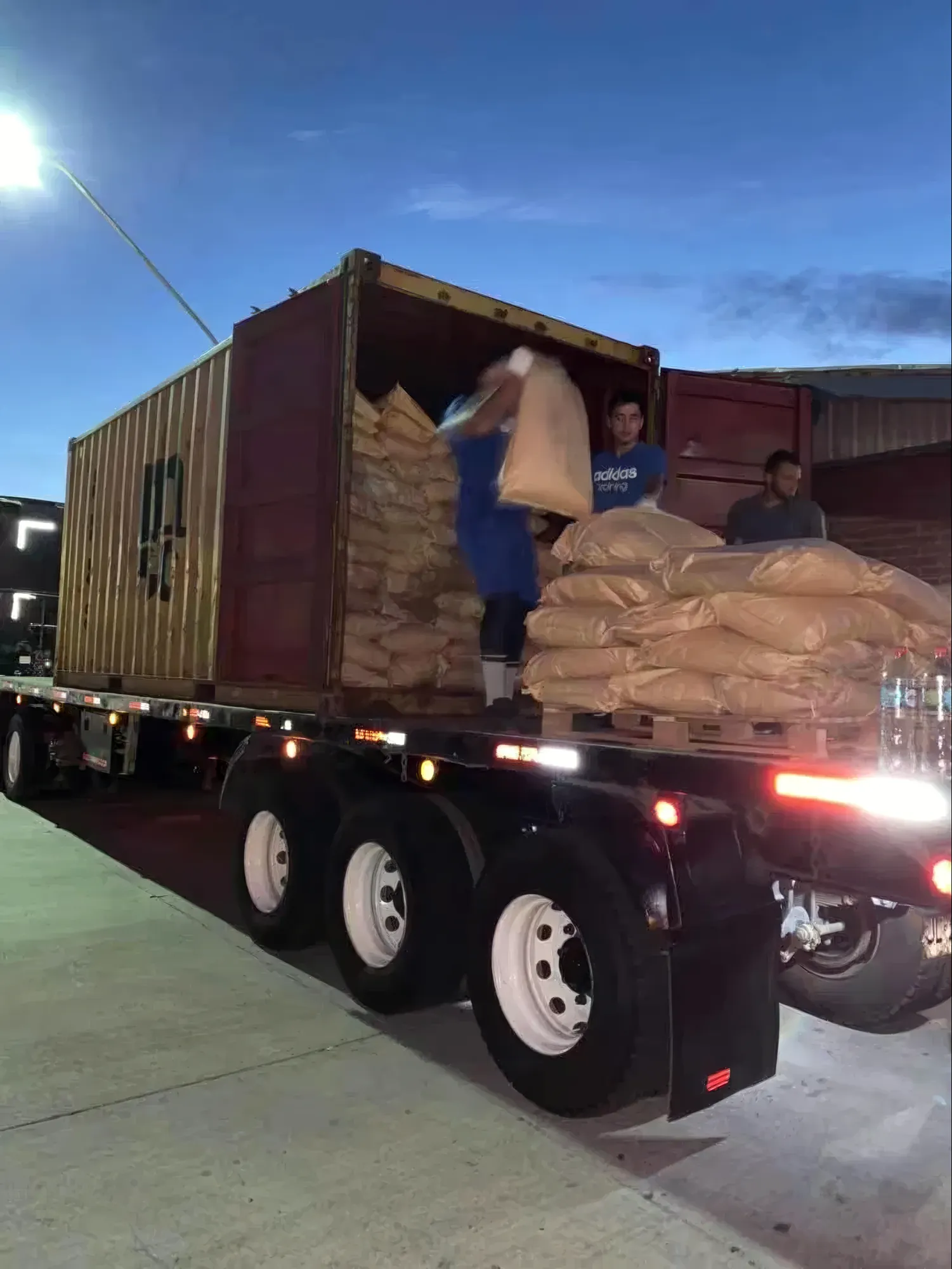
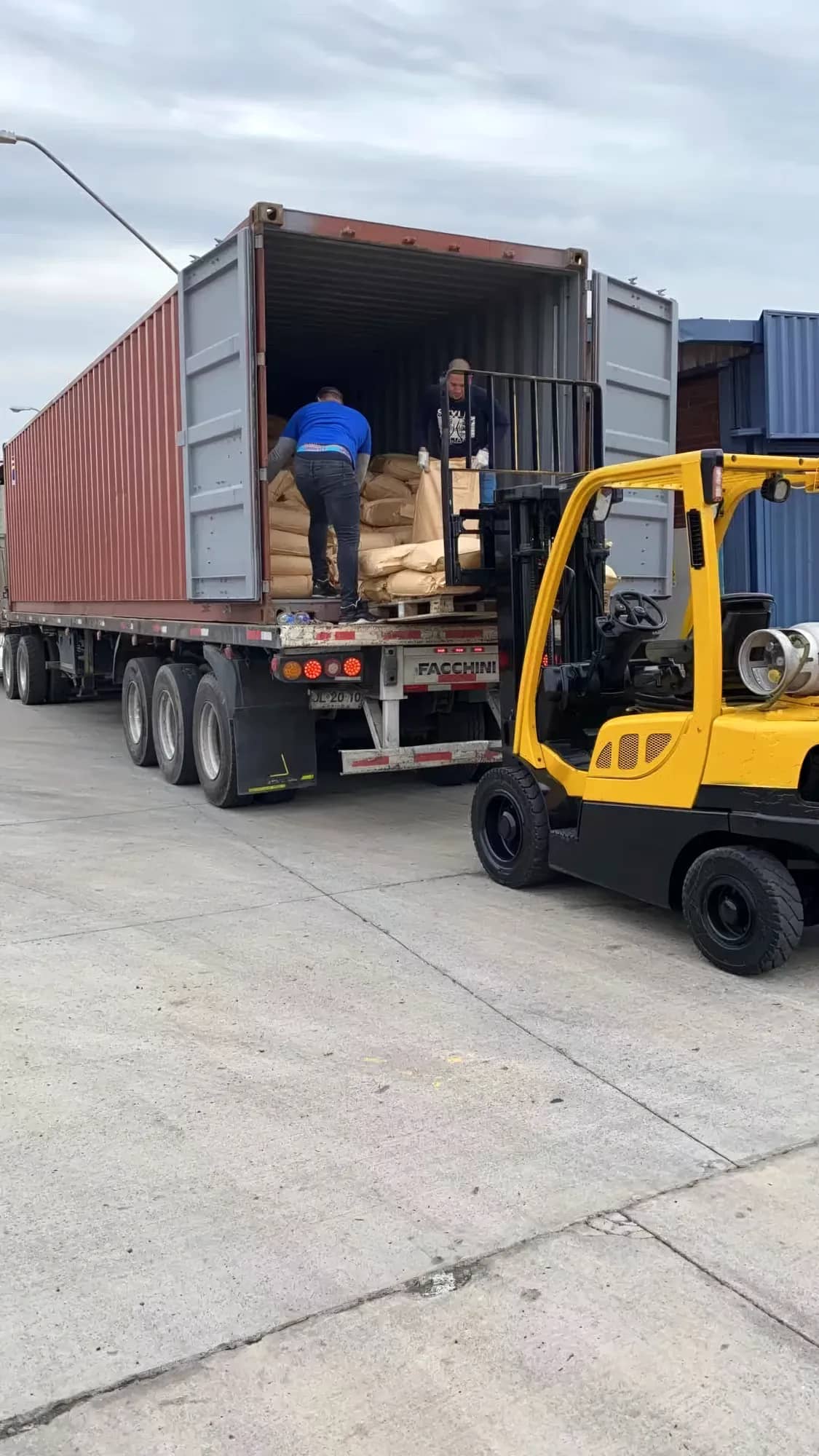
- A full container lowers the freight per tonne: about 17–20 t fit in a 20′ GP and 25–28 t in a 40′ HQ.
What to send for an accurate quotation
- The application and process, or the grade you use today.
- The target specification: viscosity with its method, DS, purity, pH, moisture and particle size.
- The quantity per order and per year.
- Packing: 25 kg bags or jumbo bags, pallets and labels.
- The Incoterm and destination port.
- The documents and certificates your market requires.
- Your preferred payment terms.
FAQ
How much does CMC cost per kg?+
It depends on the grade and the order. Technical detergent grades and CMS are the most economical and refined food-grade and battery-grade CMC the most expensive, while quantity, packing and Incoterms change the delivered price. Send the grade, quantity and destination port for a quotation.
Why is battery-grade CMC more expensive than industrial CMC?+
It is refined to ≥ 99.5 % purity with NaCl ≤ 0.50 % and tested for the gel particles and insolubles that cause coating defects. The extra washing and testing, and the lots that do not qualify, all add cost.
Is CMS cheaper than CMC?+
Yes. Sodium carboxymethyl starch is made from starch instead of cellulose and is the more economical choice, with lower viscosity and a shorter solution life. It suits paper, textile and some drilling uses where those limits are acceptable.
Do you quote CIF to my port?+
Yes. Sentai quotes FOB, CFR, CIF and EXW. Loading is usually at Guangzhou, with other South China ports on request.
What is the minimum order quantity for CMC?+
1 t for Sentai's industrial grades. The battery-grade minimum is negotiable for pilot-scale qualification.
Sources