Wall Putty Cracking and Paint Settling: Where CMC Helps
Interior wall putty cracking, paint settling in the can or sagging on the wall? How CMC improves water retention and stability, and where HPMC is better.
Sentai technical team · · 2 دقائق للقراءة
Fine cracks in a freshly skimmed wall, pigment that settles hard at the bottom of the can, and paint that sags on vertical surfaces all have something in common: the water-soluble thickener in the formula. In interior wall putties and water-based emulsion paints, sodium carboxymethyl cellulose (CMC) is a cost-effective choice for that role. This guide explains the four problems we hear about most, how CMC addresses each one, and where another cellulose ether is the better choice.
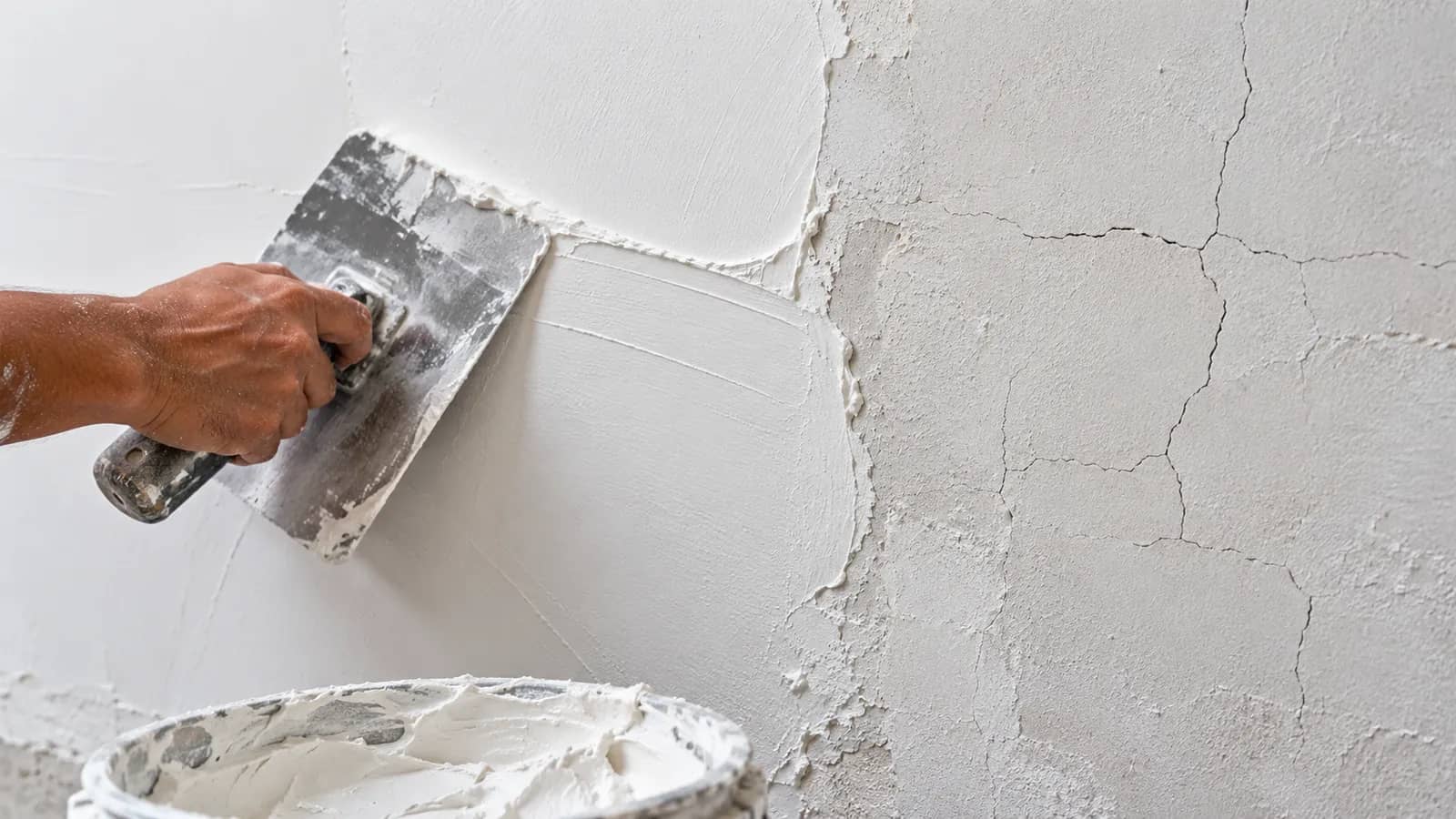
1. Putty cracks as it dries
Putty cracks when it loses water too fast, to dry air or to an absorbent wall, before it has knitted together. A thickener with good water retention slows that loss.
- Make sure the putty contains enough water-retaining thickener, and that it is fully dispersed.
- Apply in thin coats on dry, absorbent walls, and avoid drying in direct sun or strong drafts.
Where CMC fits: CMC works well in interior putties based on calcium carbonate or gypsum. In cement-based and exterior putties, the calcium released by cement interferes with CMC, and hydroxypropyl methylcellulose (HPMC) is usually the better choice.
2. Pigment settles hard in the can
Settling means the paint has too little structure at rest to keep pigment and filler suspended.
- Raise the CMC dose slightly or choose a higher-viscosity grade; typical additions are 0.2–0.5% of the formula.
- Make sure the CMC is fully hydrated in the grind stage before the latex is added.
3. Paint sags on vertical surfaces
Sagging happens when the paint does not recover its viscosity quickly enough after brushing or rolling. CMC gives shear-thinning flow: thin under the brush, thicker again at rest. If sagging persists, combine CMC with an associative thickener to fine-tune flow.
4. Paint thins or smells during storage
Like other cellulose thickeners, CMC can be broken down by microbes in water-based paint, which shows up as viscosity loss and odour. Use an in-can preservative and keep raw-material water clean.
Which Sentai grade to choose
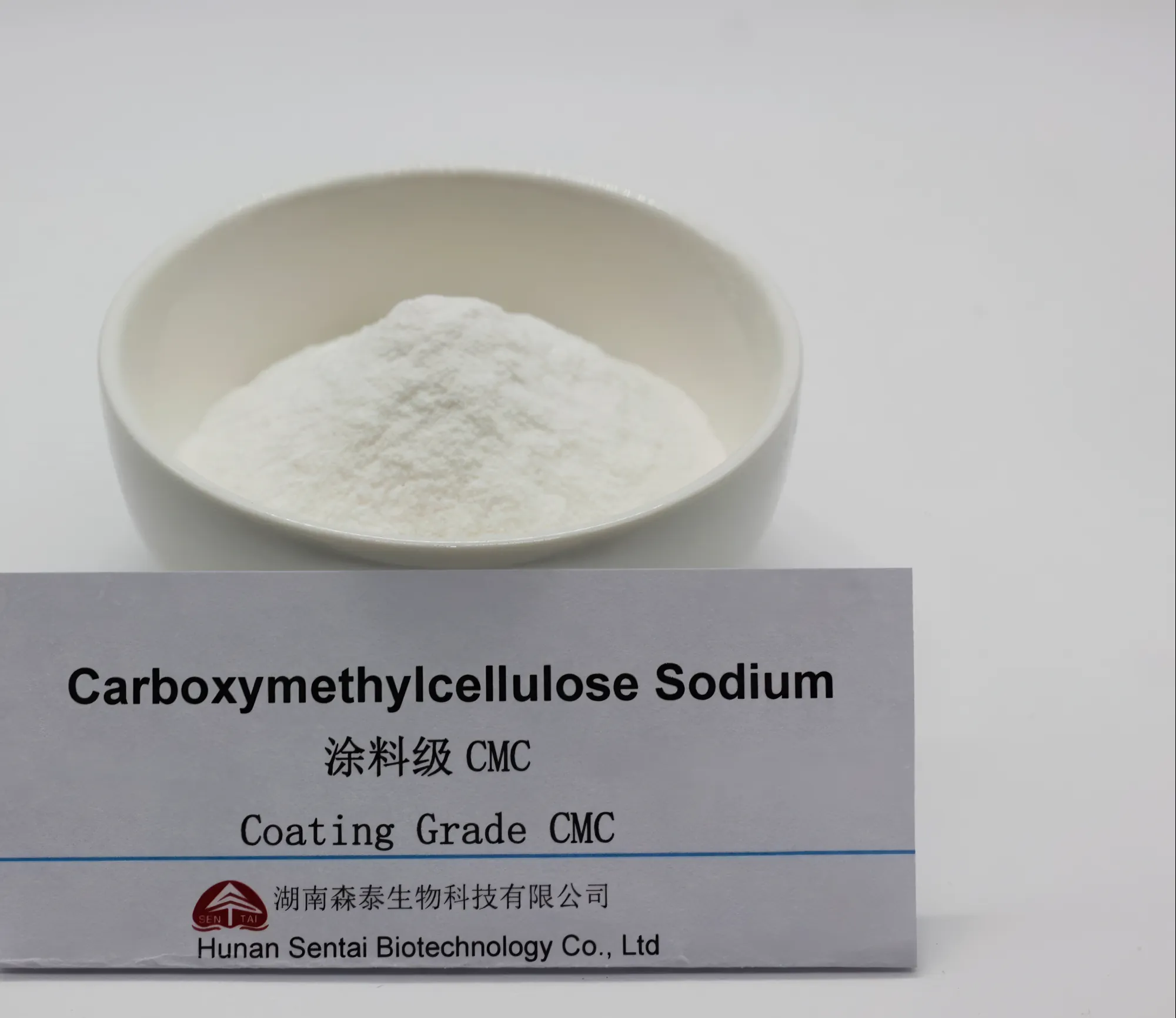
- Interior emulsion paints: T-10 (100–500 mPa·s as a 1% solution, 95% purity) for flow, or CT-3 (2,500–3,500 mPa·s) for higher thickening.
- Interior putties and texture coatings: T-6 or T-8 (DS at least 0.9) for water retention at low cost.
- An instant variant disperses directly in the grind without lumps.
Product details: sentai-cmc.com/products/coating-grade-cmc. Send us your formula type and the problem you are seeing, and we will recommend a grade and send a free sample: sentai-cmc.com/contact
FAQ
Can CMC be used in wall putty?+
Yes, in interior putties based on calcium carbonate or gypsum, where it improves water retention and workability at a low cost. For cement-based or exterior putties, HPMC is usually preferred.
Why does my wall putty crack?+
Most often because water leaves the putty too fast, to dry air or an absorbent wall, before it sets. Better water retention, thinner coats and slower drying all help.
How much CMC is used in emulsion paint?+
Typically 0.2–0.5% of the total formulation, adjusted for the viscosity grade and the pigment volume.
CMC or HPMC for paints and putty?+
CMC is a cost-effective thickener and water-retention agent for interior paints and gypsum or calcium-carbonate putties. HPMC tolerates cement and calcium better, so it is the usual choice for cement-based and exterior products.